
Everett Mold Remediation
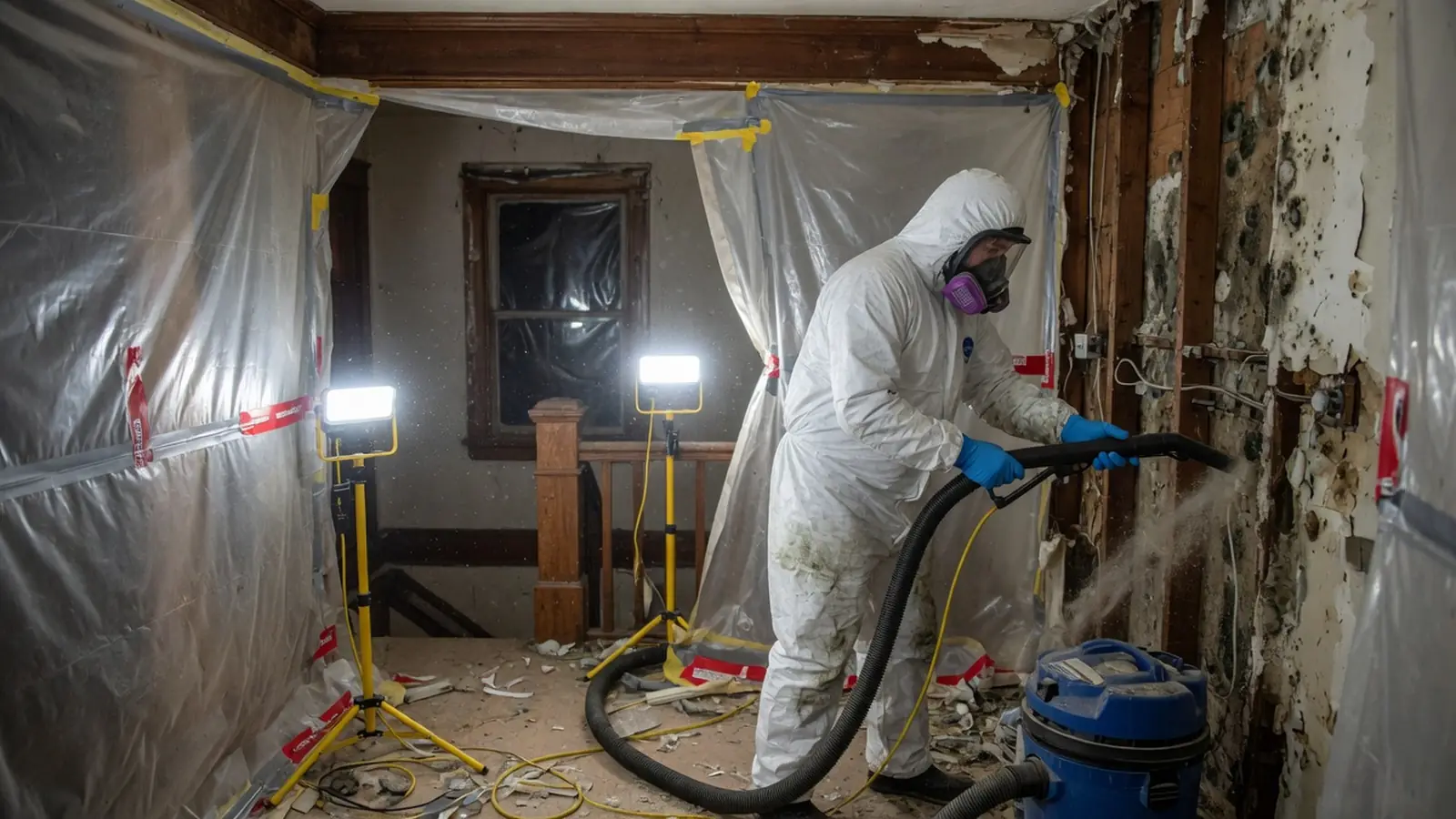
Effective mold remediation requires setting up plastic containment barriers under negative air pressure before tear-out to prevent spores from circulating into living areas. Our certified specialists deploy industrial HEPA filtration and thermal diagnostics to pinpoint hidden moisture sources and restore clean structural wood.
Dedicated Moisture Control Specialists
Damp Puget Sound winds and heavy seasonal rainfall create chronic moisture challenges throughout historic Port Gardner and Bayside residences.
When plumbing failures strike, property owners rely on our team to deliver comprehensive emergency water damage restoration before microbial colonization takes hold.
Dormant mold spores activate and begin aggressive colonization on damp structural materials within 24 to 48 hours of water intrusion.
A pattern echoed in public discussions is that Category 1 clean water standing on porous materials degrades into contaminated Category 2 gray water within 48 hours as bacteria multiply.
Furthermore, wicking moisture causes drywall to swell and physically break down within 24 to 48 hours of prolonged contact with floodwater.
We deploy industrial air scrubbers and botanical antimicrobials to neutralize airborne colonies without leaving toxic residues in your living quarters.
Our Proven Four-Stage Mold Eradication Protocol
Our remediation protocol isolates moisture pathways across subfloors and attics, showing homeowners how we eliminate persistent crawl space water before structural framing rots.
- Root-Cause Moisture Diagnostics. Routine inspections often reveal pervasive attic mold stemming from undetected moisture intrusion, requiring root-cause moisture diagnostics. Homeowners often describe finding extensive growth under roof decks, so we pinpoint exact water entry points using calibrated infrared instruments.
- Thermal Imaging And Structural Metering. Consumer shop vacs and fans extract surface puddles but leave deep moisture inside plaster and framing, requiring thermal imaging and penetrating meters. Our technicians map moisture gradients across all wall cavities to define the precise boundary of damp building materials.
- Negative Air Containment Setup. Effective mold remediation requires setting up plastic containment barriers under negative air pressure before tear-out to prevent spores from circulating into living areas. Commercial HEPA filtration units continuously vent scrubbed air outside while critical barriers safeguard adjacent rooms.
- Controlled Demolition And Joist Remediation. Category 3 black water from storm flooding or sewer backups requires full physical removal of all affected porous materials rather than surface cleaning. In crawl spaces, fungal growth on crawl space framing joists requires containment and thorough remediation before encapsulation to prevent airborne spore migration.
Our Science-Backed Restoration Guarantee
We adhere to strict IICRC S520 guidelines, ensuring every contaminated timber is mechanically scrubbed, treated with EPA-registered antimicrobials, and verified dry. If ground runoff pools below grade, we follow strict standards used to mitigate severe basement flooding so foundations stay dry. We never encapsulate damp lumber or conceal unresolved moisture behind fresh surfaces.
Attic Mold Remediation
Inadequate roof ventilation coupled with elevated regional humidity causes widespread mold proliferation across attic sheathing and roof framing. We treat contaminated roof decking, clean surface fungal colonization, and ensure adequate airflow to stop ongoing condensation cycles.
Crawl Space & Subfloor Restoration
Damp coastal conditions frequently drive severe fungal spread across subfloor joists and foundation sills near tidal riverbanks. We extract trapped ground dampness, remediate structural wood surfaces, and establish secure thermal barriers beneath your home.
Deep Structural Framing Cleaning
Homeowners often wonder: does spraying household bleach effectively kill mold on porous framing lumber, or does it only bleach the surface while leaving roots alive? We apply commercial-grade EPA antimicrobials that penetrate the grain to destroy dormant spores permanently.
Our Commitment To Rapid Moisture Control
Every property receives rigorous moisture evaluation and negative air containment before any demolition begins. Our team focuses on eradicating fungal colonies at the root cause, ensuring framing timbers reach standard dry equilibrium before reconstruction.
- 8Zip Codes Served
- 6Service Areas
- 3Services Offered
Local property owners share how our structural drying crews resolved stubborn moisture intrusion and contained fungal contamination with utmost professionalism.
“Every single evening before heading out, the crew meticulously vacuumed the work zones and sealed all plastic containment flaps tight. They packed their heavy blowers aside so our hallway stayed completely walkable and spotless throughout the tear-out. We never had to sweep up stray dust or scrap insulation after they left.”
Marcus T.
“Throughout the remediation project, the lead supervisor sent detailed photo updates and moisture meter readings directly to my phone twice a day. I never had to hunt anyone down for status reports or wonder what stage of drying was happening next. Their constant transparency made a stressful crawl space crisis remarkably manageable.”
Elena R.
“Instead of quoting a full joist replacement, this company explained how specialized antimicrobial wash down and structural sanding would restore our floor framing soundly. Their practical approach saved us thousands in unnecessary framing labor while still providing permanent spore eradication. The framing looks brand new and passed independent clearance testing without issue.”
Devon K.
“When torrential coastal downpours threatened to stall our attic drying schedule, the technicians immediately adjusted their dehumidification ducting and brought in auxiliary air movers. They put in extra hours on Saturday morning to ensure moisture targets were met exactly on calendar. The entire house was verified dry and back to normal ahead of our insulation contractor.”
Rachel H.
Frequently Asked Questions
Does spraying household bleach kill mold on wood framing?
Spraying household bleach does not kill mold roots inside porous framing lumber; it merely bleaches surface pigmentation while adding moisture. The chlorine cannot penetrate cellular wood pores, allowing active hyphae to feed on residual water and regenerate colonies days later.
How quickly does mold colonize structural materials after water intrusion?
Dormant mold spores activate and aggressively colonize damp structural lumber or drywall within 24 to 48 hours following moisture exposure. Immediate thermal inspection and structural dehumidification prevent microscopic colonies from digesting organic cellulose components.
Why do local attics develop severe roof sheathing mold?
Inadequate roof ventilation coupled with elevated regional humidity causes widespread mold proliferation across attic sheathing and roof framing. Warm indoor air condenses against cold exterior plywood rafters during damp maritime winters, feeding dense fungal colonization.
Why is containment necessary before removing moldy building materials?
Setting up plastic containment under negative air pressure keeps millions of disturbed spores from migrating into unaffected living areas. HEPA exhaust fans maintain a constant pressure differential that traps microscopic contaminants until physical removal is completed.
Can contaminated materials from sewer backups be cleaned and saved?
Category 3 black water from storm flooding or sewer backups requires full physical removal of all affected porous materials rather than cleaning. Pathogenic bacteria and organic toxins penetrate deeply into porous substrates, making complete demolition the only sanitary option.